Co-funded by the
Federal Ministry of Food and Agriculture
of the German Government
Co-funded by the
Federal Ministry of Food and Agriculture
of the German Government
AfriNutriForest (ANF) aims to develop, test and promote sustainable agroforestry systems (arbo-market gardens) in Senegal and Kenya through innovative, participatory approaches.
These gardens will produce nutritious fruits and vegetables in an agroecological way, improving diets and livelihoods of local communities while transforming horticulture into a sustainable, resilient food system. The focus is on low-cost, labor-saving technologies and agro-entrepreneurship models that appeal to rural youth.
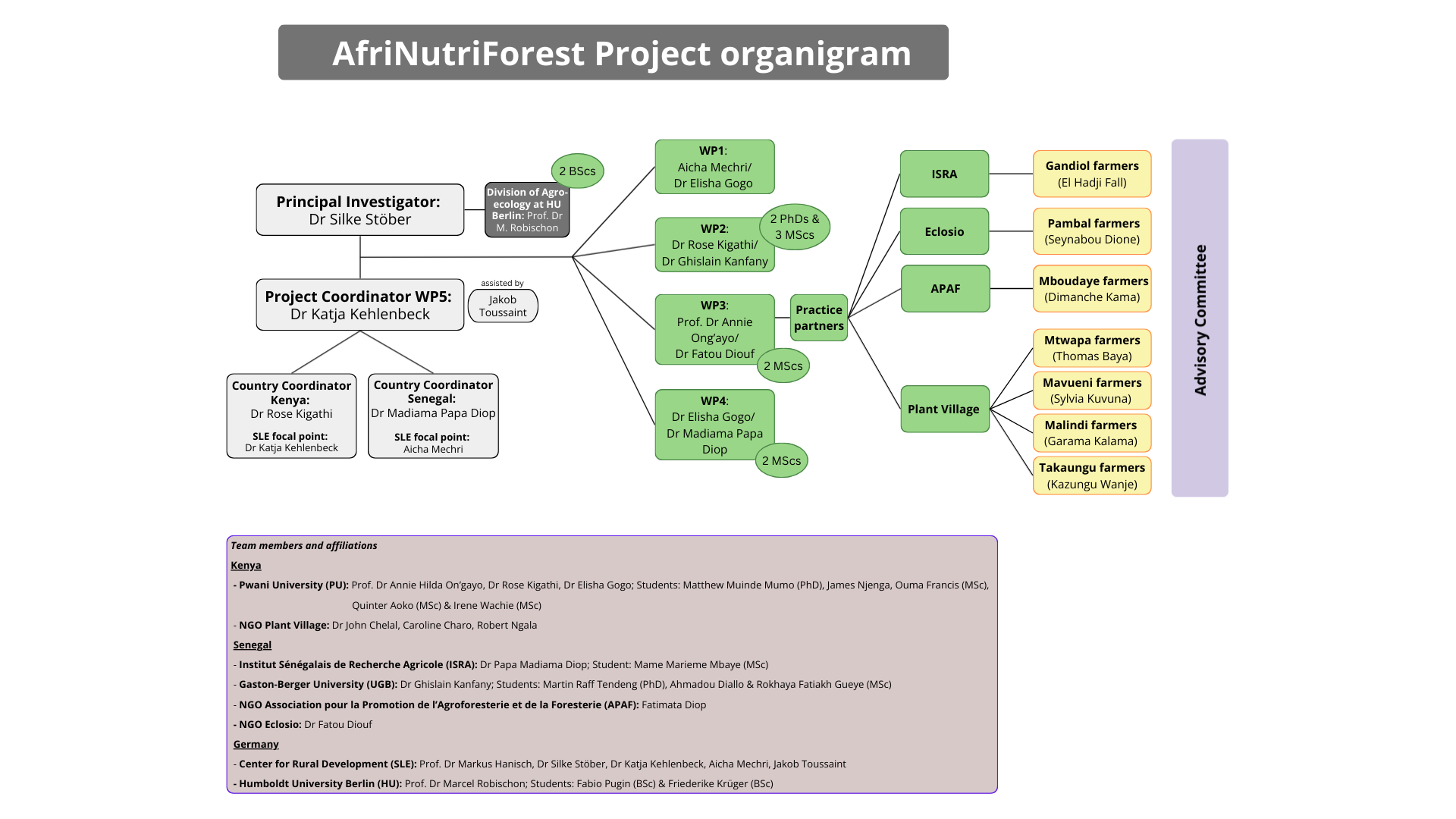
The project will run over a period of 3 years (2024–2027) and its five work packages (WPs) include:
ANF is a cooperation among the following partners:
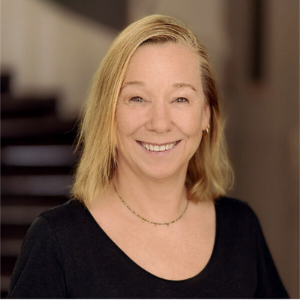
Silke leads the research program at SLE. She is an experienced participatory action researcher and project developer. With over 25 years of experience in development-oriented research and as a consultant in international cooperation in Southeast Asia, Europe and Africa, she works according to the motto: work close to practice in research, and as a practitioner, stay research-oriented. Her main interests are climate-resilient agriculture, co-creating knowledge, and developing sustainable solutions with rural communities.
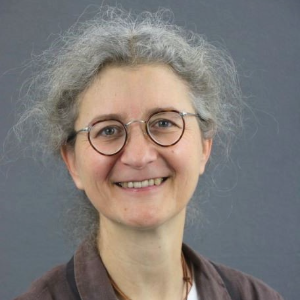
Katja is managing the AfriNutriForest project, which promotes innovative agroforestry systems in Senegal and Kenya to enhance local diets and resilient food systems. She lived and worked for almost 10 years in Indonesia and Kenya and has more than 15 years of experience in development-oriented agroforestry research, focusing mainly on Africa and Asia. In addition, Katja is engaged in teaching and supervising students. At SLE, Katja combines her expertise to advance sustainable, diverse food systems and nutrition security.
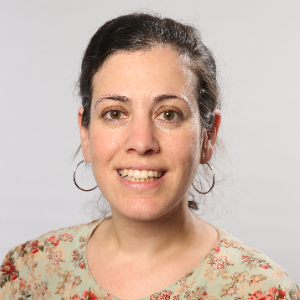
Aicha Mechri is an agricultural engineer with an additional degree in socio-ecological economics, born and raised in Tunisia. Her expertise includes ecological economics, agri-food systems, food value chains and sustainability assessment - both in theory and in practice. She has worked for the Food and Agriculture Organization of the United Nations (FAO), where she contributed to the Agricultural Policy Division and the Global Strategy for Agricultural and Food Statistics. Throughout her career, Aicha has worked with individuals and institutions in Africa, the Middle East, South America and the Pacific. Currently, her research focuses on agri-food value chains, sustainability, systemic thinking and collective action. She investigates how collective action can drive the transformation of food systems and how communities interact and realize goals together. For Aicha, research and practice go hand in hand to develop strong communities of practice that combine knowledge and action for sustainable impact.
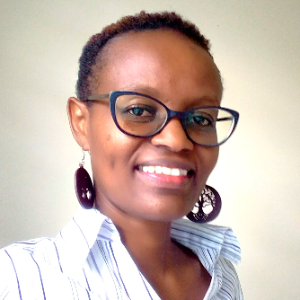
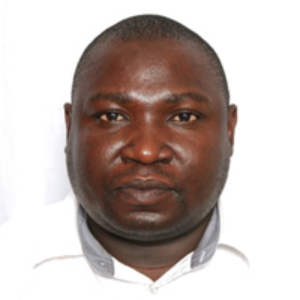
Elisha Otieno Gogo is a senior lecturer and a researcher from the department of Crop Sciences at Pwani University, Kilifi, Kenya. He has a PhD in Horticultural Sciences from Humboldt University of Berlin, Germany. His career objective is to improve food security, nutrition and health and wellbeing of the community, through research, education and outreach. His research interests include improved crop production techniques, post harvest technology and value addition, climate smart agriculture, crop quality dynamics, food supply chain analysis and indigenous crops and knowledge in crop production, using transdisciplinary approaches. He is currently involved in various research projects on community engagement, women and youth empowerment, entrepreneurship, food nutrition, food safety, food loss, and waste management, and value addition, using low-tech post harvest technologies.
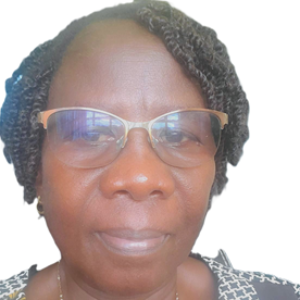
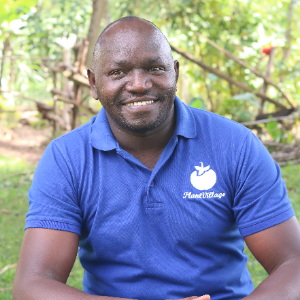
John Chelal is the PlantVillage Kenya Lead under Work Package 3. John is a plant health specialist with vast experience in research on crop diseases and development of technologies to improve crop productivity. He is the Director at PlantVillage Kenya, a youth-led organisation based in Kenya. He is passionate about harnessing advances in affordable technology, artificial intelligence and mobile phones to provide solutions to smallholder farmers in the face of climate change.
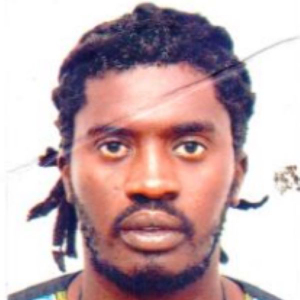
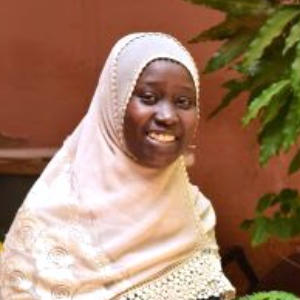
Dr. Fatou Diouf is the Agroecology expert for the NGO Eclosio in Senegal and co-leader of WP3 of the AfriNutriForest project. Specializing in soil microbiology, she has extensive research experience on soil-plant-microorganism interactions, with a particular interest in root symbioses (rhizobium and mycorrhizae). Dr. Diouf is deeply committed to co-construction and co-learning approaches, developing and supporting action research projects and learning and practice communities. She oversees and coordinates the implementation of farmer field schools and facilitates multi-stakeholder platforms in the field of agroecology. She is actively involved in technology and innovation transfer in rural areas, and in disseminating and scaling up agroecological solutions accessible to smallholder farmers (especially women and youth). Through its actions, it contributes to the sustainable strengthening of the livelihoods of rural communities and to improving their resilience to numerous challenges, particularly those related to climate change.
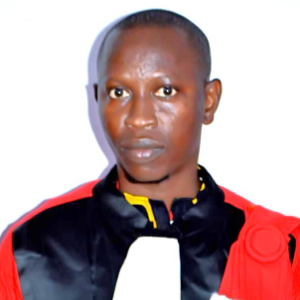
Dr. Kanfany is an agronomist specialized in plant breeding and he is currently Head of the Department of Agronomy and Crop Science at Gaston Berger University of Saint Louis in Senegal.
Ahmadou Diallo is a MSc. student and currently participate in WP2
Fabio Pugin is a BSc student and currently participate in WP2
Friederike Krüger is a BSc student and currently participate in WP2
Irene Wachie is an MSc student and currently participate in WP4
James Njenga is an MSc student and currently participate in WP2
Mame Marieme Mbaye is a MSc student and currently participate in WP4
Martin Raff Tendeng is a PhD student and currently participate in WP2
Matthew Muinde Mumo is a PhD student and currently participate in WP2
Ouma Francis is an MSc student and currently participate in WP2
Quinter Aoko is an MSc student and currently participate in WP3
Rokhaya Fatiakh Gueye is a MSc student and currently participate in WP3
© 2026 AfriNutriForest. All rights reserved.